
What Is Bathroom Tanking? The Complete Waterproofing Guide for a Leak-Free Bathroom
Bathroom tanking is the process of applying a waterproof barrier beneath tiles and surfaces to prevent water penetration and hidden leaks. It protects your home from structural damage, mould, and costly repairs.
When most people think about a bathroom renovation, their minds immediately go to the exciting parts — luxurious freestanding baths, stylish taps, statement tiles, and smart lighting. But beneath all the visible elements, there's one hidden process that can make or break your bathroom's longevity: tanking - or bathroom waterproofing.
So, what is bathroom tanking, and why is it so critical for your project?
In simple terms, tanking a bathroom means applying a waterproof barrier to surfaces that will be exposed to water. These include shower walls, wetroom floors, and bath surrounds — areas most at risk of water penetration. Without proper bathroom waterproofing, even the most visually impressive bathroom can end up with serious hidden damage just months or years later.
This guide covers everything you need to know about bathroom waterproofing, wetroom waterproofing, bathroom leak prevention, and how to protect your bathroom for the long term following UK waterproofing regulations.
📋 Quick Navigation
💧 What Is Bathroom Tanking and Why Wetroom Waterproofing Matters
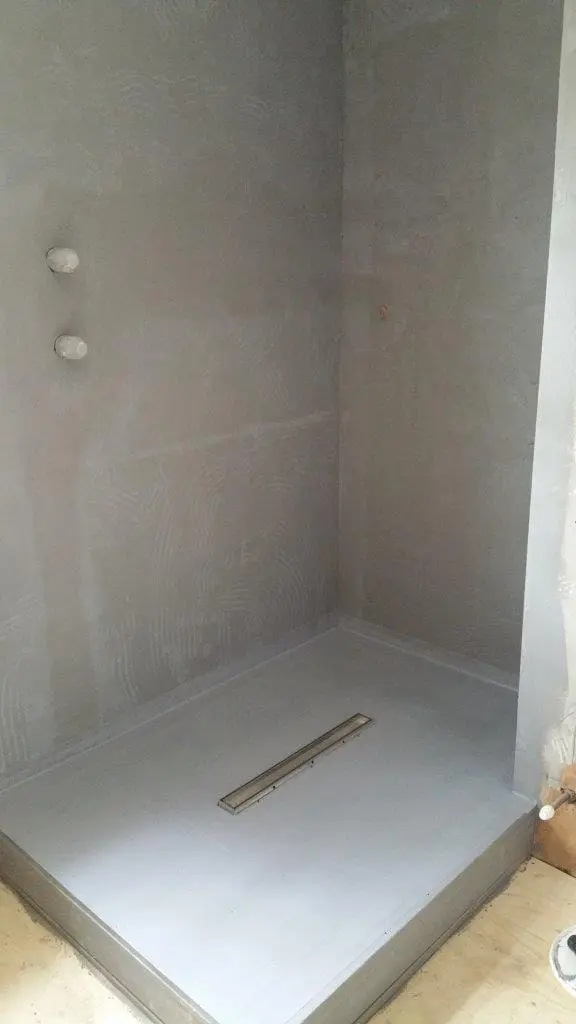
Tanking is the industry term for creating a watertight bathroom moisture barrier beneath your bathroom surfaces. The most common areas for tanking include:
- Walk-in shower walls
- Wetroom floors
- Bath surrounds
- Behind tile areas exposed to regular moisture
Tiles and grout, while water-resistant, are not 100% waterproof. Over time, water can pass through grout lines or failed sealant, reaching the wall or floor structure beneath. If these internal surfaces aren't protected, that trapped moisture can cause rot, mould, or structural weakening.
Bathroom tanking systems are designed to prevent this by creating a continuous bathroom waterproofing barrier that blocks moisture from passing through.
Key Tanking Benefits
- Prevents hidden water damage
- Stops mould and rot
- Protects structural integrity
- Extends bathroom lifespan
- Saves thousands in repairs
🔧 How Is a Bathroom Tanked? Bathroom Leak Prevention Methods
There are two primary methods of bathroom waterproofing: liquid-applied membranes and waterproof sheet membranes. Each has its advantages depending on the bathroom layout and how much water exposure is expected.
🔹 Liquid Tanking Systems
Liquid tanking systems are painted or rolled onto surfaces to form a seamless waterproof layer. These include products like Mapei Showerproof, BAL Tank-it, and Mapegum WPS.
They are commonly used for:
- • Walls inside shower enclosures
- • Bath walls and surrounds
- • Floors around standard trays
Liquid membranes are flexible and bond well with tiles and adhesives, making them a reliable solution in most domestic bathrooms.
🔹 Membrane Tanking Systems
Sheet membrane systems use waterproof rolls or pre-cut panels that are bonded to surfaces with adhesive or thin-set mortar. These are ideal in situations where maximum protection is needed, such as:
- • Wetrooms with level-access showers
- • Floors made of timber or plywood
- • Bathrooms with underfloor heating
Brands like Schlüter-KERDI, Impey WaterGuard, and Wedi offer systems specifically engineered for bathroom tanking, often complete with corner pieces and sealing tapes for junctions.
📍 Where Should You Tank in a Bathroom?
Knowing where to tank is just as important as knowing how. Failing to waterproof the correct areas can lead to isolated failures and expensive repairs later on.
Key areas that need waterproofing:
- Shower walls and at least 300mm beyond the enclosure
- Floors within wetroom zones (where there is no tray)
- Shower walls down to the tray and the tray-to-wall junction (with a manufacturer sealing strip). Tank the floor 300–500 mm out from the tray perimeter. Do not tank under the tray unless specified by the tray/former system.
- Bath walls and the floor around the bath base
- Floor-to-wall junctions
- Any surface that will be tiled and exposed to direct water
Best practice per BS 5385 (summary) and typical warranty guidance is to waterproof tiled wet zones. If using quality waterproof shower panels with correctly sealed joints, separate tanking is usually unnecessary.
Even if your layout appears "dry," overspray, humidity, and splashback mean tanking is often worthwhile as a preventative measure.
⚠️ What Happens Without Proper Bathroom Leak Prevention?
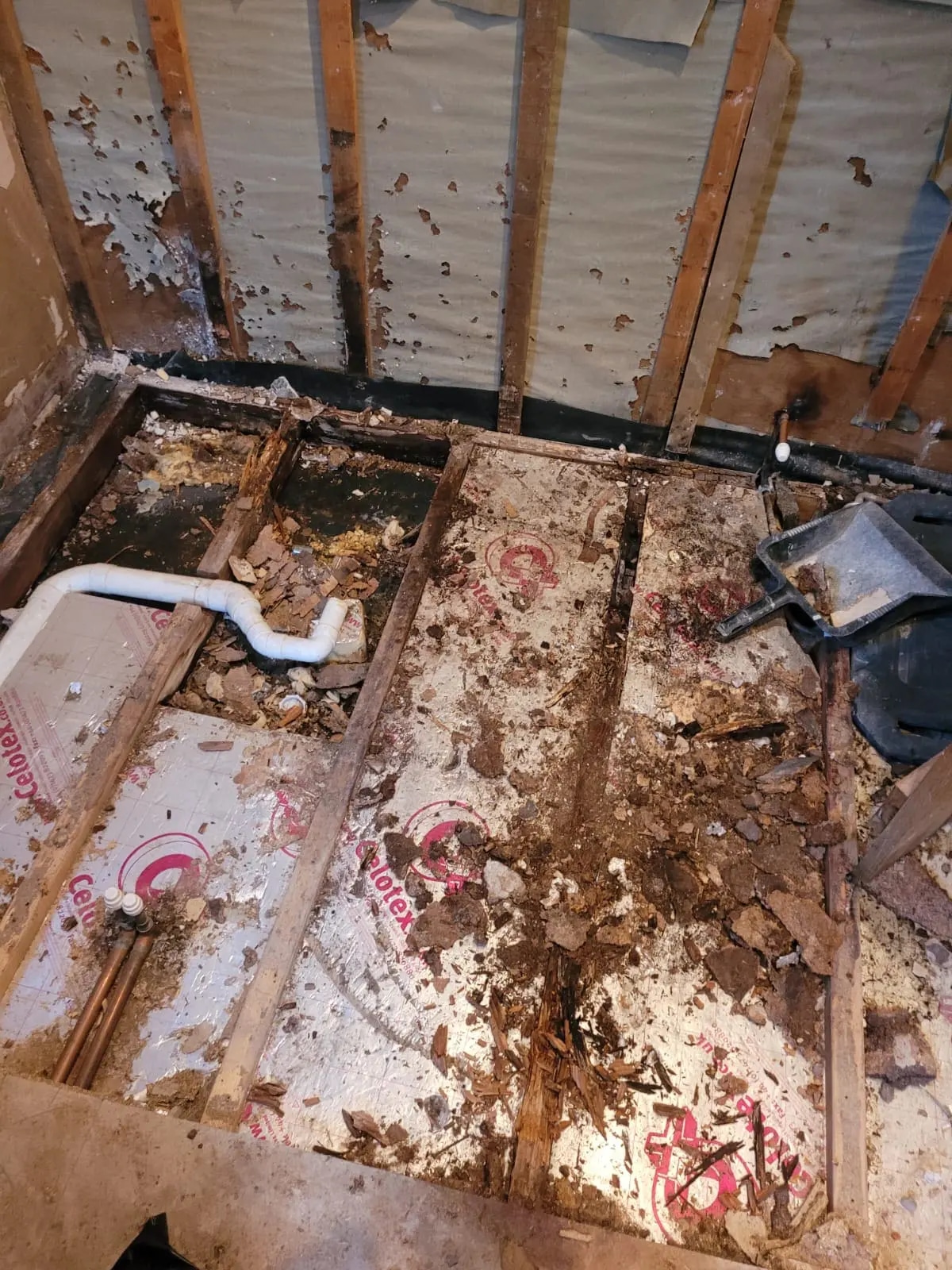
Skipping tanking can save money upfront — but it almost always leads to long-term costs. The impact of water damage might not be immediately visible, but it often lurks behind tiles and walls, worsening silently.
Without a tanking system, your bathroom could suffer from:
- Rotting floor joists under shower trays
- Delaminated subfloor materials
- Mould and black spots behind tile surfaces
- Failed tile adhesive and hollow tiles
- Water leaks into neighbouring or lower rooms
Once damage is discovered, repairs often require a full strip-out of the bathroom, removal of tiles, and structural drying — costing thousands and causing major disruption.
That's why tanking a bathroom should always be viewed as an investment, not an optional extra.
🔍 Common Misconceptions About Waterproofing Bathrooms
Many homeowners — and even some tradespeople — believe that tiles and grout are sufficient for bathroom waterproofing. Unfortunately, this is one of the most costly misconceptions in bathroom design.
Here's why "tiles alone" won't protect your bathroom:
- Grout is porous – it absorbs moisture over time, especially in steamy, damp environments.
- Silicone sealant breaks down – UV exposure, cleaning products, and age cause it to shrink or peel.
- Movement in walls or floors – small shifts can crack grout or open tiny gaps that allow water in.
- Adhesive voids – improper tile fixing can leave air pockets where water gathers.
Without a proper waterproof membrane beneath these surfaces, your bathroom is always vulnerable to long-term water damage — even if it looks perfect on the outside.
🧰 DIY vs Professional Bathroom Tanking
If you're wondering whether you can handle bathroom tanking yourself or if you should hire a professional, you're not alone. With so many DIY waterproofing kits available, it's tempting to go it alone — but there are serious pros and cons to consider when it comes to bathroom waterproofing.
✅ DIY Bathroom Waterproofing
Advantages:
- • Lower upfront cost — especially for small en-suites
- • Plenty of DIY tanking kits available from brands like Mapei and BAL
- • Useful for light-use bathrooms or "light splash" zones
Disadvantages:
- • High risk of improper application — missed junctions, poor bonding, wrong products
- • No guarantee unless applied by approved installers
- • Time-consuming if you're not experienced with surface prep or tile work
🔧 Professional Tanking
Why It's Worth It:
- • Choosing the right tanking system for your subfloor and wall type
- • Applying tanking systems to manufacturer guidelines (required for warranties)
- • Ensuring long-term integrity and compliance with UK waterproofing regulations
- • Spotting potential issues like hidden cracks, unstable substrates, or poor drainage angles
💡 Verdict: Can I Tank My Bathroom Myself?
You can tank a bathroom yourself — but it's usually best to leave it to professionals unless the project is small, simple, and you're confident with tiling and sealing. For critical areas like wetrooms, timber floors, or underfloor heating zones, professional tanking ensures you avoid costly failures and enjoy long-term protection.
🧱 Why Substrates and Surfaces Matter
Waterproofing must start with a suitable substrate. If you try to tank directly onto an inappropriate surface — like plasterboard in a wet area — you risk failure.
Approved surfaces for tanking include:
- • Cement boards (e.g., HardieBacker, NoMorePly)
- • Waterproof foam tile backer boards
- • Moisture-resistant plasterboard in low-splash zones
These materials offer a stable, absorbent base for waterproofing systems to bond properly and perform as intended. In contrast, tanking over paint, dust, or standard drywall often leads to poor adhesion and early breakdown.
🌬️ Managing Steam, Vapour, and Condensation
Water in a bathroom doesn't only come from taps and showers — it also comes from the air. Steam from hot baths and showers increases humidity levels dramatically, often leading to condensation on ceilings and upper walls.
While tanking protects surfaces from direct contact, you also need strategies to control vapour in the air:
- Install a quality extractor fan with a humidity sensor or timer
- Use vapour-resistant paints on ceilings and painted walls
- Encourage airflow with trickle vents or windows left ajar
Without this, even a fully tanked and tiled space may suffer mould, discolouration, and flaking finishes in the long term.
💷 Bathroom Tanking Cost Breakdown (UK Guide)
One of the most common questions during a renovation is: how much does tanking a bathroom cost? The answer depends on a few key factors — but understanding the ballpark figures helps you budget effectively and avoid expensive surprises later.
| Item | Cost Range (approx.) |
|---|---|
| DIY tanking kit (liquid) | £60 – £150 |
| Membrane tanking system | £150 – £350 |
| Professional tanking (labour + materials) | £300 – £700 |
| Wetroom tanking (full room) | £500 – £1,000+ |
At Bowman Bathrooms, we include tanking as standard in all tiled wet zones — not as an optional extra — which helps ensure the bathroom lasts decades, not just years.
Proper tanking is a smart investment. You're not just paying for waterproofing — you're buying peace of mind and long-term protection.
📋 How to Tank a Bathroom Step by Step
Whether you're doing it yourself or hiring professionals, understanding the tanking process helps you appreciate what goes into a properly waterproofed bathroom. Here's a typical step-by-step guide to how to tank a bathroom using a liquid waterproofing system:
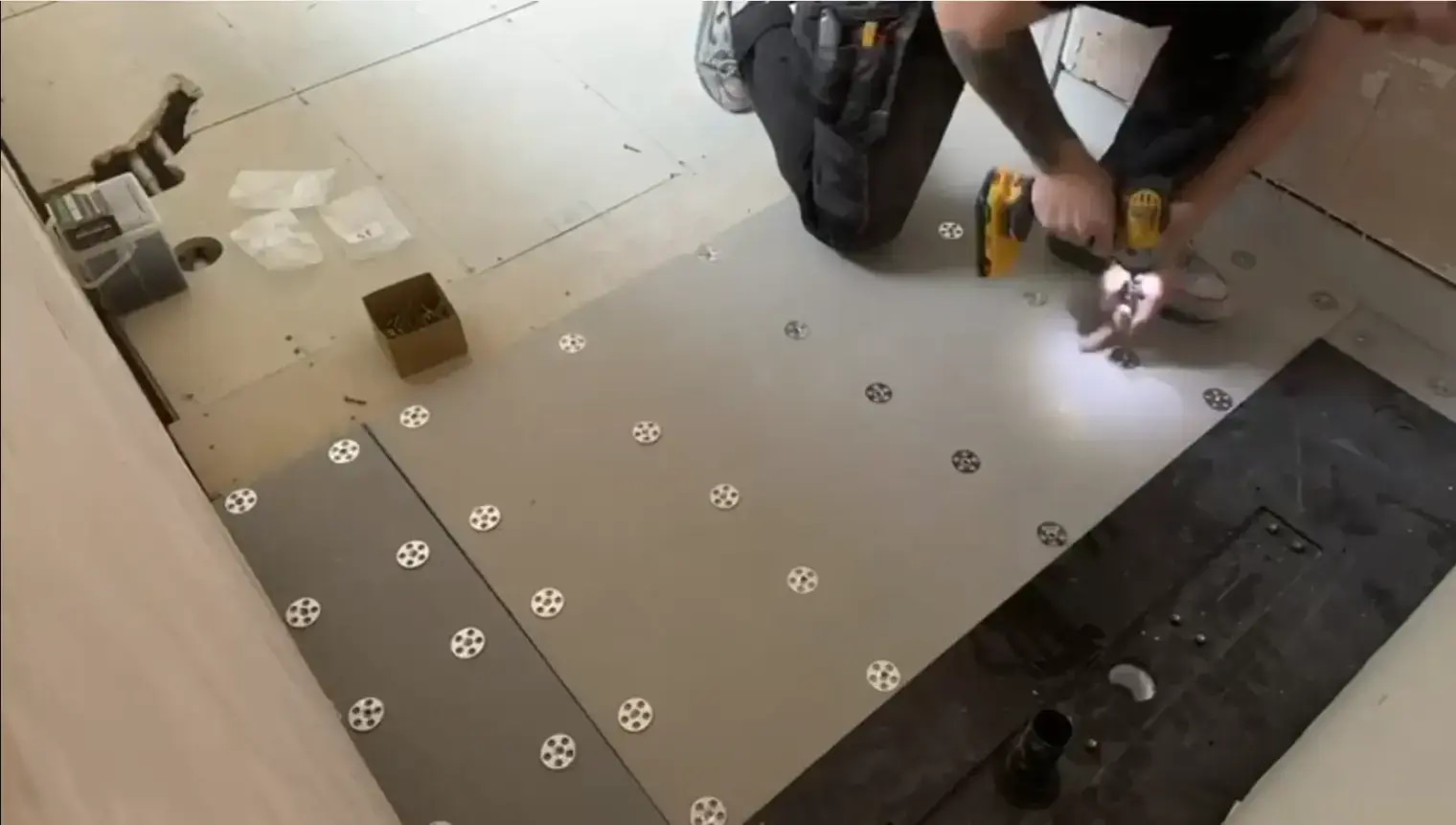
🪵 Prepare the Surface
- • Ensure walls and floors are clean, dry, and dust-free
- • Remove any loose material or old adhesive
- • Use only suitable substrates — like cement board or tile backer board
🖌️ Apply Primer
- • Most tanking compounds require a primer for adhesion
- • Roll or brush the primer evenly across all surfaces to be waterproofed
- • Allow time for the primer to dry (check product instructions)
🩹 Reinforce Corners and Joints
- • Apply tanking tape or pre-formed corners to wall/floor junctions
- • Seal around pipe penetrations with collars or extra tape
- • This ensures flexibility and stops leaks at weak points
🪣 Apply the Waterproofing Membrane
- • Use a roller or brush to apply the first coat of tanking compound
- • Wait for the first coat to dry fully (typically 2–4 hours)
- • Apply a second coat in the opposite direction for full coverage
⏳ Let It Cure
- • Allow the tanking to cure for at least 12–24 hours depending on the product
- • Once cured, the surface is ready for tiling
🧱 Begin Tiling
- • Use a flexible tile adhesive suitable for tanked surfaces
- • Work carefully to avoid damaging the waterproofing layer
📚 UK Bathroom Waterproofing Regulations and Standards
In the UK, there are no legal requirements to tank every bathroom — but certain building regulations and British Standards strongly recommend it in specific areas. Understanding these can help you make informed decisions and avoid disputes with builders, insurers, or warranty providers.
🔒 What Do the UK Building Regulations Say?
There is no specific law stating "you must tank your bathroom," but Approved Document C: Site preparation and resistance to contaminants and moisture outlines that structures must be protected against moisture ingress — especially in areas with frequent water use. In practical terms, this means wet zones (like showers and baths) should be waterproofed as part of good practice — typically through tanking for tiled areas, or sealed waterproof panels if used instead.
📐 BS 5385-1: British Standard for Wall and Floor Tiling
This official British Standard clearly states that:
"In wet areas... substrates should be protected with a suitable tanking membrane system before tiling. Tiles and tile grouts alone cannot be expected to provide a completely watertight seal."
BS 5385 is widely used in professional specifications and warranty-backed installations. If your contractor isn't following it, that's a red flag.
🏢 NHBC & Developer Guidelines
Homebuilders and insurers — like NHBC — follow guidelines that include waterproofing requirements. New builds or renovations covered under warranties often require tanking to meet policy standards.
🚿 When Is Tanking Required in the UK?
Although not mandatory by law, tanking is effectively required in the following situations:
- • In any wetroom or level-access shower area
- • When installing onto timber floors or moisture-sensitive substrates
- • In upper-floor bathrooms or flats with rooms below
- • To meet standards in warranty-backed new builds
Bottom line: While tanking isn't technically "required," it's recommended in almost every case — and a key part of a professional-grade bathroom installation.
🚫 Common Tanking Mistakes (and How to Avoid Them)
Even with the right products, tanking a bathroom can fail if it's not done properly. Whether you're DIY-ing or hiring a tradesperson, knowing what to watch out for can save your bathroom from costly future issues.
❌ 1. Skipping Surface Preparation
Waterproofing membranes need to bond properly to the substrate. If the surface is dusty, oily, flaky, or unstable, the tanking layer may peel away or blister over time. Always clean, prime, and stabilise the surface first.
❌ 2. Tiling Onto Unsuitable Materials
Applying tanking over standard plasterboard or painted surfaces (especially in wet areas) almost guarantees failure. Use only approved tile backer boards in wet zones — cement boards or waterproof foam panels are best.
❌ 3. Missing Corners and Junctions
Water often finds its way into floor-to-wall joints, corners, or around pipe penetrations. If you don't use tanking tape, corner seals, or collars, your system may fail even if the flat surfaces are covered properly.
❌ 4. Applying Too Thinly (or Unevenly)
Tanking products often require a certain thickness or two full coats. Rushing the job, applying unevenly, or skipping layers can leave vulnerable spots. Follow manufacturer coverage guidelines carefully.
❌ 5. Not Allowing Full Cure Time
If you tile too soon, the tanking may not be fully bonded or cured. Most systems need 12 to 24 hours (sometimes more in cooler conditions) before tiling begins.
❌ 6. Using Incompatible Products
Not all adhesives and tile materials work well with every tanking system. For example, cement-based adhesives may react with some waterproofing compounds. Use products from the same system or check for compatibility.
✅ Final Tip: Trust the Process
Bathroom tanking is a system — not just a product. Skipping a step, cutting corners, or using budget materials can result in long-term failure. Investing in proper prep, technique, and quality materials will always pay off.
🔄 Liquid vs Membrane Tanking: Which Is Best?
Both waterproofing methods work well — the right one depends on your bathroom layout and what's beneath your tiles.
Choose liquid tanking if you:
- • Have a standard enclosure with a shower tray
- • Are working with concrete floors or walls
- • Want a fast, flexible solution for smaller areas
Choose membrane tanking if you:
- • Are building a wetroom or level-access shower
- • Have timber floors that may flex
- • Need full-room waterproofing and maximum security
Many professional installers use a combination of both — liquid for walls and a membrane for floors. What's important is that all junctions and edges are sealed properly, regardless of the system you choose.
🧠 Other Important Considerations
As you plan your bathroom, think beyond the obvious fixtures. Waterproofing is most effective when it's part of a broader strategy that includes:
- Choosing the right backer board for each wall and floor
- Protecting wall-to-floor junctions with tanking tape or corners
- Ensuring compatibility between underfloor heating and waterproofing layers
- Avoiding budget shortcuts on preparation materials
A properly tanked bathroom offers peace of mind, better resale value, and long-term durability. It lets you enjoy a beautiful space without worrying about what's happening behind the walls.
🏆 Best Waterproofing Products for Bathrooms (UK Guide)
🔹 Mapei Showerproof / Mapegum WPS
- Type: Liquid tanking system
- Use for: Showers, wet zones, walls, floors
- Why it's trusted: Flexible, fast-drying, bonds well to common substrates
Mapei is known for consistent quality, clear datasheets, and compatibility with many tile adhesives and backer boards.
🔹 Schlüter-KERDI System
- Type: Waterproof membrane (sheet)
- Use for: Full wetrooms, movement-prone floors, tanking beneath tiles
- Why it's trusted: Extremely durable, fully integrated with drainage systems
KERDI is widely used by installers on premium bathrooms and commercial projects.
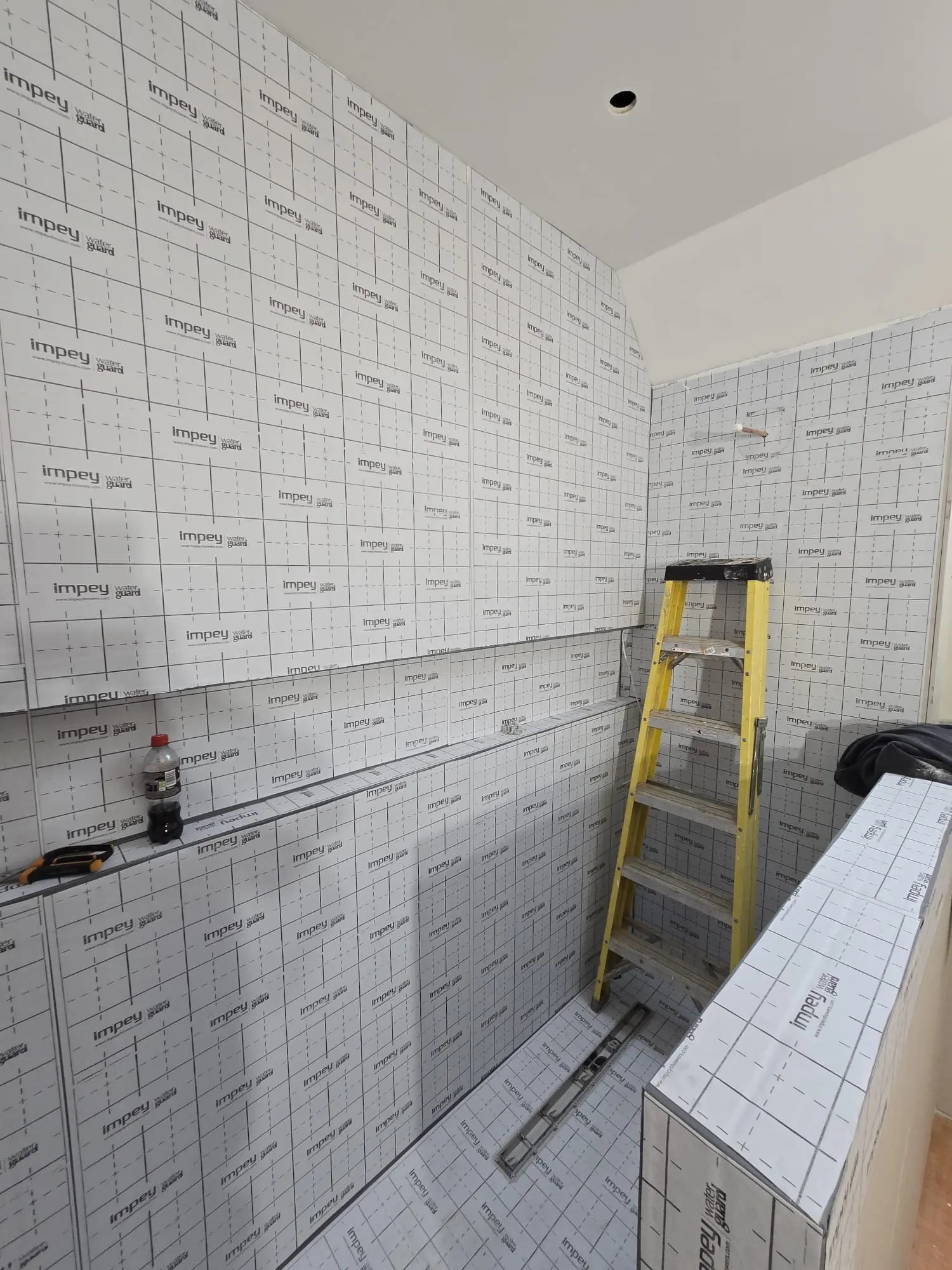
🔹 Impey WaterGuard
- Type: Membrane tanking system
- Use for: Wetrooms, floors, wall-to-floor junctions
- Why it's trusted: Part of Impey's wider wetroom installation system
Excellent for level-access showers and backed by strong warranties.
🔹 BAL Tank-it
- Type: Two-part liquid waterproofing
- Use for: High-performance waterproofing where speed is key
- Why it's trusted: Fast-drying (just 90 minutes), ideal for time-sensitive projects
Developed by British Adhesives Ltd (BAL), this system is fast-curing and flexible.
💡 Choosing the Right Product
The best product for your project depends on:
- • Your subfloor type (timber vs concrete)
- • Whether you're building a full wetroom or standard enclosure
- • How quickly you need to tile after tanking
- • Whether you want full system warranties (stick to one brand where possible)
Need help choosing? At Bowman Bathrooms, we'll recommend the ideal system for your space — whether it's liquid, membrane, or a combination of both.
🏁 Summary: Why Waterproofing Isn't Optional
What is bathroom tanking really about? It might not be the most glamorous part of bathroom design — but it's absolutely essential. It's the invisible layer that protects your dream bathroom from turning into a future nightmare.
Whether you're fitting a high-end wetroom, a compact en-suite, or a family bathroom, tanking gives you confidence that your renovation will last. It prevents water damage, safeguards your home's structure, and helps avoid thousands of pounds in repairs.
At Bowman Bathrooms, we treat waterproofing as standard — not an optional upgrade. Our installations are completed using proven tanking systems from trusted manufacturers like Mapei and Impey, applied by fitters trained to the highest specification.
We believe that great design begins beneath the surface. That's why our bathrooms are beautiful on the outside — and bulletproof underneath.
Frequently Asked Questions
Common questions about bathroom tanking and waterproofing
If you didn't find your answer, our design experts can help — book a free consultation below.
💬 Ready to Waterproof Your Bathroom the Right Way?
If you're planning a new bathroom or wetroom, make sure waterproofing is part of the process from day one. Our team will help you choose the best system, prepare your space properly, and ensure everything is sealed, safe, and stunning.
✓ We include tanking as standard in all tiled wet zones
🔗 Related Guides and Inspiration
Our Bathroom Installation Process
How we deliver exceptional bathroom transformations from consultation to completion
Luxury Bathroom Design Services
Professional bathroom installations with full waterproofing
Our Bathroom Projects
View our completed bathroom installations across Essex
Our Installation Process
How we ensure every bathroom is perfectly waterproofed